

Introduction
In the arid yet resilient landscapes of Somalia, a quiet economic revolution is buzzing—literally. Somalia’s honey industry, long overshadowed by more dominant agricultural sectors, is now gaining the attention it deserves. With increasing global demand for organic and medicinal honey, Somalia stands at the brink of transforming this traditional livelihood into a booming economic driver.
This blog explores Somalia’s untapped honey economy, shedding light on the unique qualities of Somali honey, the role of traditional beekeeping, and the vast market potential that lies ahead.
What Makes Somali Honey Unique?
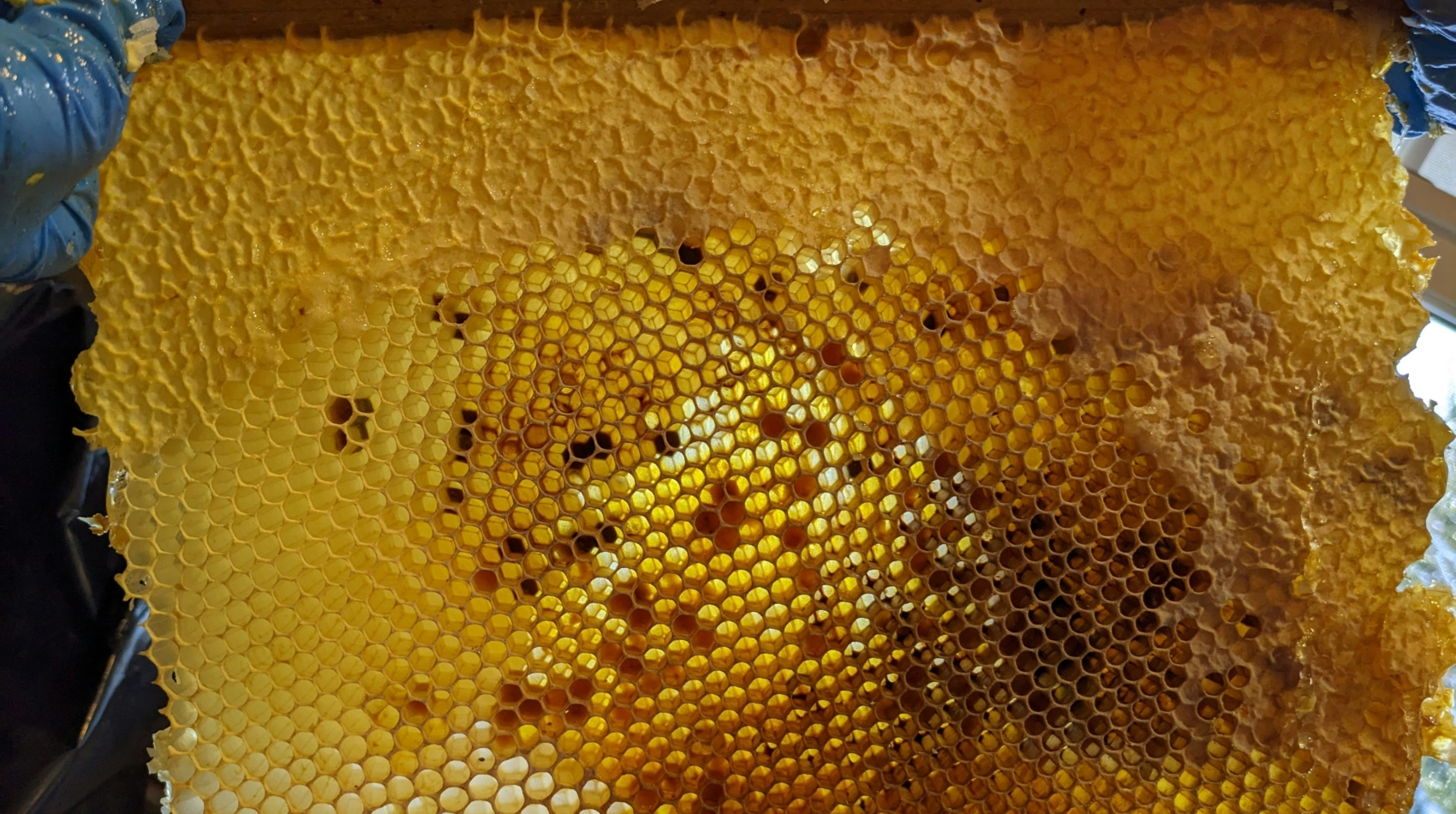
Somali honey is renowned for its purity, potency, and medicinal qualities. Sourced from wild bees that forage in acacia forests, desert shrubs, and flowering herbs, the honey has a distinctive taste and high antioxidant content. Unlike commercial honey, Somali honey is typically raw and unfiltered, preserving its natural enzymes and health properties. These attributes make it highly sought after in niche markets across Asia, the Middle East, and Europe.
A Traditional Rooted in the Land
Beekeeping in Somalia is deeply embedded in rural and pastoralist culture. Most beekeepers use traditional log hives made from local materials like hollow tree trunks and clay. These practices, passed down through generations, are eco-friendly and sustainable, requiring no chemicals or industrial inputs. Women also play an essential role in honey harvesting and sales, making the industry a valuable avenue for empowering rural communities and supporting gender-inclusive economic growth.
Rising Global Demand and Economic Potential
The global honey market is projected to reach over USD 14 billion by 2029, driven by increased consumer preference for natural sweeteners and wellness products. Somalia’s wild honey, with its medicinal qualities and organic appeal, is perfectly positioned to meet this demand. Export opportunities are particularly strong in China, the Gulf Cooperation Council (GCC) countries, and parts of Europe where high-grade raw honey commands premium prices.
For Somali entrepreneurs and investors, honey production offers a low-barrier entry into value-added agriculture. With the right infrastructure, such as improved packaging, quality certification, and international trade linkages, the honey industry could become a major export sector.
Challenges Facing the Somali Honey Sector
Despite its promise, the Somali honey industry faces several challenges:
- Lack of modern beekeeping training
- Inconsistent quality control
- Limited access to export markets
- Poor storage and processing infrastructure
These barriers need to be addressed through government support, NGO-led training programs, and private sector investment. Building cooperatives, introducing standardized practices, and forming partnerships with international buyers can help Somali honey gain a stronger foothold in global markets.
A Win-Win for Economy and Environment
Beekeeping is one of the few agricultural activities that directly benefit biodiversity and the environment. Bees contribute to crop pollination, enhancing food security and ecosystem resilience. By investing in the honey sector, Somalia not only builds a sustainable income source but also promotes ecological balance, especially in areas affected by climate change and deforestation.
How Mubashir Farms Is Leading the Way
At Mubashir Farms, we recognize the untapped potential of Somalia’s honey economy. We are actively working with local beekeepers to enhance production quality, offer training in modern apiculture, and develop export-ready honey products. Our goal is to position Somali honey as a premium product on the global market—certified, traceable, and sustainably sourced.
By bridging the gap between traditional expertise and international standards, Mubashir Farms is helping to unlock new income opportunities and drive economic transformation in Somalia.
Conclusion
Somalia’s honey industry is more than just a sweet story—it’s a viable, scalable, and sustainable economic sector. With rising global demand and unmatched local resources, Somalia has everything it needs to become a key player in the organic honey trade. Through strategic investments, policy support, and community engagement, this golden opportunity can be harvested for national prosperity.
The future of Somalia’s honey economy is bright—and it’s just getting started.